











Natural, slow-maturing mineral lime, for interior and exterior use.
Lime has sanitizing properties, it regulates humidity and moisture, protects walls while allowing them to breathe.
Traditional substrates for lime paint are mineral: stone, terracotta brick, lime plaster, old lime paint, and cement render. Chalking and peeling are very common on plaster. Organic, synthetic, and acrylic paints, as well as wood, contemporary materials (PVC, etc.), synthetic renders, plaster, and plasterboard, are not suitable substrates for traditional lime paint.
Surface preparation: The surface must be clean, free of powdery or chalky particles. It must be brushed, dusted, and washed. Chalky surfaces should be treated with "Fissativo" fixative diluted between 600% and 800%. The surface coating must have fully cured (minimum 4 weeks drying time). Otherwise, loose lime may migrate to the surface and form unsightly efflorescence.
Lime has sanitizing properties, it regulates humidity and moisture, protects walls while allowing them to breathe.
Traditional substrates for lime paint are mineral: stone, terracotta brick, lime plaster, old lime paint, and cement render. Chalking and peeling are very common on plaster. Organic, synthetic, and acrylic paints, as well as wood, contemporary materials (PVC, etc.), synthetic renders, plaster, and plasterboard, are not suitable substrates for traditional lime paint.
Surface preparation: The surface must be clean, free of powdery or chalky particles. It must be brushed, dusted, and washed. Chalky surfaces should be treated with "Fissativo" fixative diluted between 600% and 800%. The surface coating must have fully cured (minimum 4 weeks drying time). Otherwise, loose lime may migrate to the surface and form unsightly efflorescence.
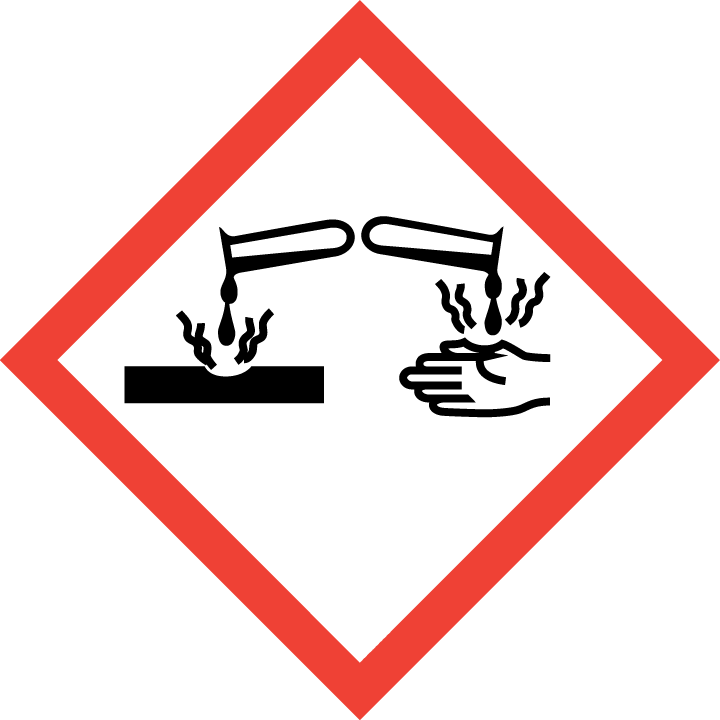

Warning notice: Danger
Hazard statements:
- H318: Causes serious eye damage.
- H315: Causes skin irritation.
- H335: May cause respiratory irritation.
Application method
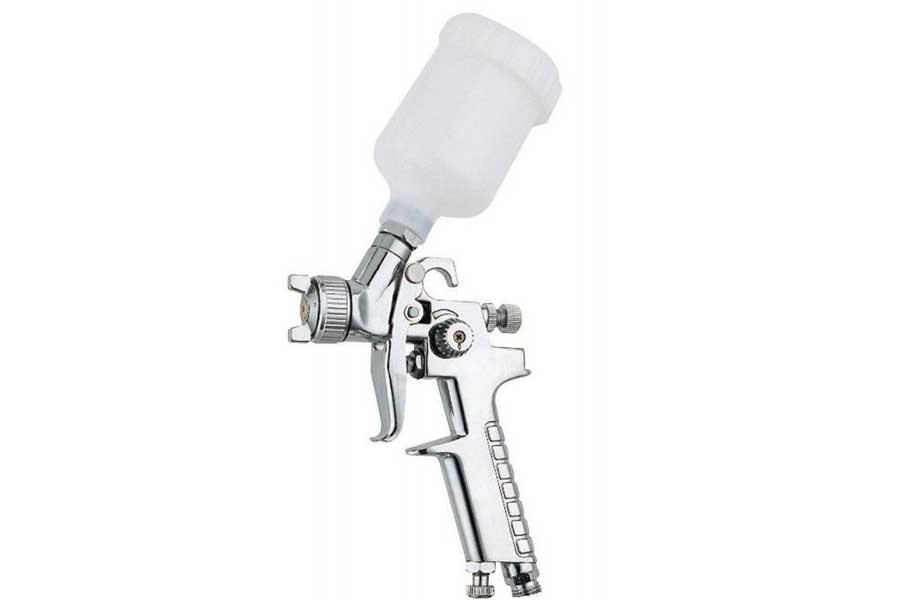
- Airless - Airmix
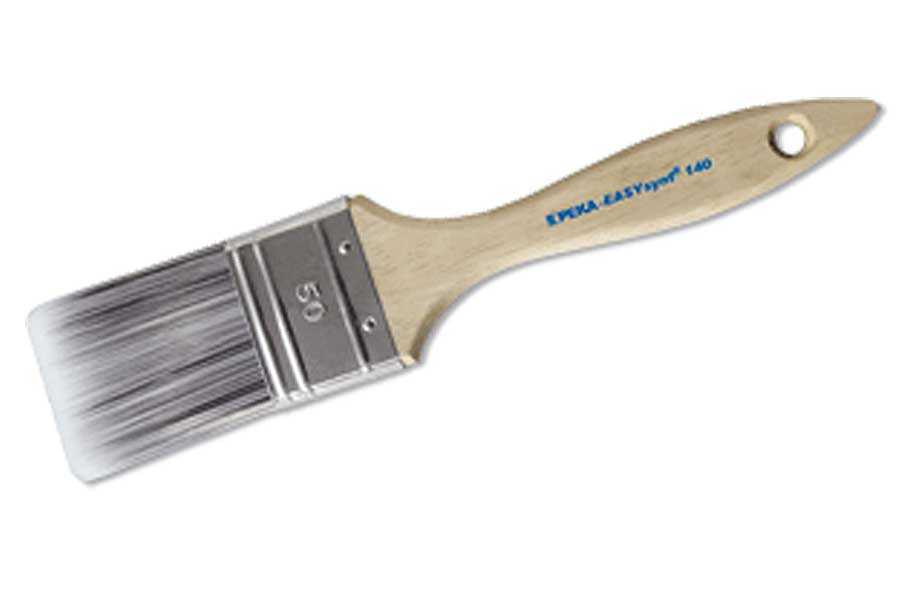
- Brush
- Roll
Size
4 Ltr
Brand
Sestriere Vernici
brightness
- Mast
Coverage
Theoretical yield per litre per coat. On a non-absorbent or fine-grained substrate.
Expect lower yields on dry wood, coarse plaster or porous surfaces.
To calculate the surface area of a wall:
Width x Height = surface to be painted .
" Surface area to be painted " divided by the paint yield = quantity of paint needed per coat.
Example for a wall panel:
Width = 4.50m
Height = 2.40m
Paint coverage = 6m²/liter
4.5 x 2.4 = 10.8m² / 6 = 1.8 liters per coat (round up to 2 liters)
Example for woodwork:
3 doors with frames. Allow 2m2 per side.
Paint coverage: 14m²/liter
6 x 2m² = 12m² / 14 = 0.85 liters per coat (rounded to 1 liter)
- 9m2/ltr
Dilution
- Water
Specificities
- antibacterial
- permeable to water vapor
- inside
- Outside
Color
White
Column filling
| Sort by Price | Sort by Availability | Sort by Size |
|---|---|---|

66.95 CHF
74.30 CHF
|
In stock
|
Size:
|
|
209.10 CHF
232.30 CHF
|
In stock
|
Size:
|
Please sign in so that we can notify you about a reply